
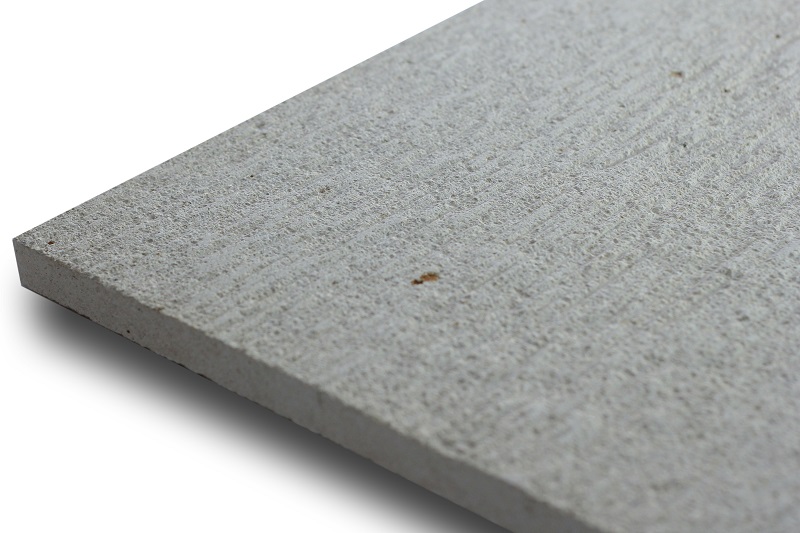
When it comes to building materials that perfectly combine natural beauty, versatility, and durability, Indonesia Limestone stands out as one of the most popular choices. Quarried from various regions across the Indonesian archipelago — such as Java, Bali, and Madura — this natural stone has become a favorite among architects, designers, and homeowners around the world. Its unique texture, subtle tones, and timeless appearance make it suitable for both modern and traditional designs. In this article, we’ll take an in-depth look at Indonesia Limestone — covering its sizes, formats, characteristics, types, and the pros & cons of using it in construction and design projects.

Sizes and Formats of Indonesia Limestone
Indonesia Limestone is available in various sizes and formats, making it a flexible option for a wide range of architectural applications. Whether you’re planning to use it for flooring, wall cladding, pool decks, or exterior façades, you’ll find dimensions that suit your design needs.
Common sizes include:
– 30 x 30 cm
– 40 x 40 cm
– 60 x 60 cm
– 30 x 60 cm
– 60 x 120 cm
For larger projects, custom sizes can also be cut according to the architectural plan. The stone’s natural properties allow it to be shaped into tiles, slabs, or pavers, depending on the desired application.
Surface finishes also vary, offering designers the freedom to achieve different aesthetics and functions:
– Honed: Smooth and matte for interior floors and walls.
– Polished: Shiny and elegant for luxurious indoor applications.
– Rough or Natural Split: Perfect for outdoor walls and landscape features.
– Sandblasted or Bush Hammered: Provides slip resistance for wet areas like pool decks or garden paths.
This versatility in size and finish allows Indonesia Limestone to adapt to various design styles, from minimalist modern homes to rustic tropical villas.
Characteristics of Indonesia Limestone
One of the defining characteristics of Indonesia Limestone is its natural and soft appearance. The stone often comes in neutral shades like beige, ivory, cream, gray, and light yellow, giving any space a calm and elegant feel.
Other notable characteristics include:
– Durability: Limestone is a strong and long-lasting material that performs well under various weather conditions.
– Porosity: It is a naturally porous stone, which allows it to “breathe” — maintaining a comfortable temperature in both indoor and outdoor spaces.
– Cool Surface: Particularly in tropical climates, limestone remains pleasantly cool even under direct sunlight, making it ideal for outdoor areas.
– Eco-Friendly: Since it’s a natural material with minimal processing, Indonesia Limestone is an environmentally sustainable choice for green architecture projects.
Additionally, Indonesia’s unique geological conditions contribute to the formation of limestone with distinct textures and grain patterns — each piece carrying its own natural beauty.

Types of Indonesia Limestone
Indonesia offers a rich variety of limestone types, each with unique visual and physical qualities. Below are some of the most popular types used in construction and design projects:
– Classic White Limestone: Known for its bright, clean look that enhances the sense of space and light in interiors.
– Paras Jogja (Yogyakarta Limestone): A light cream stone often used for wall cladding and exterior facades due to its elegant yet subtle tone.
– Bali White Limestone: A fine-grained limestone with a smooth surface, suitable for luxury resorts and villas.
– Cream Limestone: Soft beige color that blends beautifully with wooden or tropical design elements.
– Grey Limestone: Offers a modern, industrial look that fits contemporary architecture perfectly.
Each type can be selected based on the project’s aesthetic goals — whether you aim for a warm, natural ambiance or a sleek, modern appearance.
Pros and Cons of Indonesia Limestone
Like any natural material, Indonesia Limestone comes with its strengths and limitations. Understanding these can help you make the right choice for your project.
Pros:
– Elegant and Timeless Beauty: Its natural tones create a sophisticated yet welcoming atmosphere.
– Versatility: Works well for both interior and exterior use — from floors and walls to pool areas and façades.
– Durability: Can withstand weather exposure and daily wear when properly maintained.
– Cool Surface: Keeps outdoor spaces comfortable, even in tropical heat.
– Sustainability: A natural and eco-friendly material with a low carbon footprint.
Cons:
– Porosity: Being a porous stone, it may absorb water or stains if not sealed properly.
– Maintenance: Requires regular cleaning and periodic sealing to preserve its color and prevent weathering.
– Softness: Compared to granite or basalt, limestone is relatively softer, making it more susceptible to scratches in high-traffic areas.
However, with proper installation and care, these drawbacks can be easily managed — allowing the stone to retain its charm and functionality for decades.
If you’d like to find out more about it and how much they’d cost for your project, feel free to reach out to us at WhatsApp or email sales@dw-corporation.com.


0 Comments